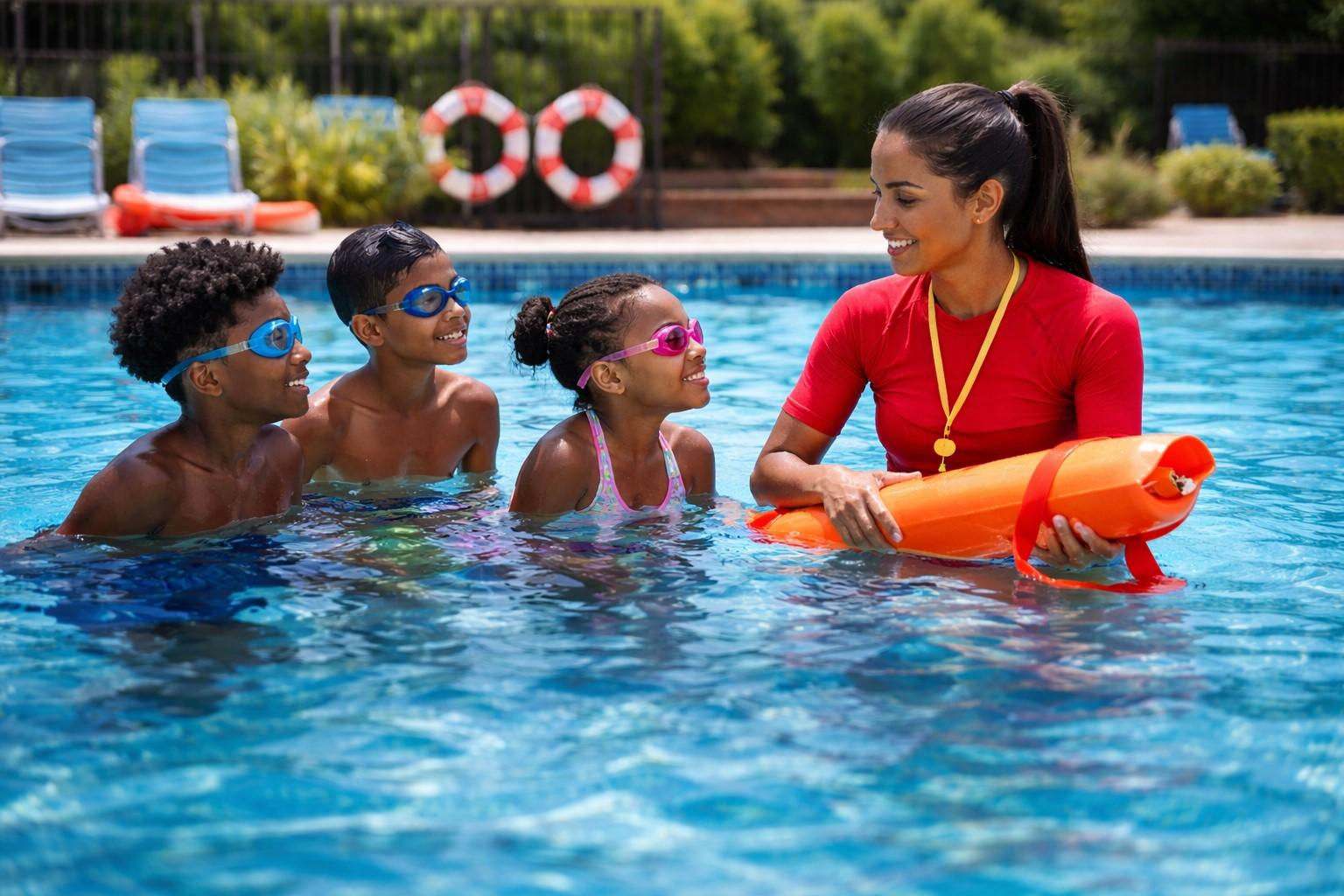
A Beautiful Swimming Pool Needs More Than Clear Water
A swimming pool can be one of the most attractive features of a home, apartment complex, hotel or recreational facility.
However, keeping a pool in good condition requires more than occasionally removing leaves and debris.
Proper swimming pool maintenance involves regular cleaning, water testing, chemical balancing and equipment inspections.
Without consistent maintenance, water quality can deteriorate, algae can develop and pool equipment may become damaged.
At Hydrokinetic Therapy, we provide professional swimming pool maintenance and water treatment services in Nairobi.
1. Test Your Pool Water Regularly
One of the most important aspects of pool maintenance is checking the chemical balance of the water.
Two important measurements are:
pH level: This measures how acidic or alkaline the water is. The US Centers for Disease Control and Prevention (CDC) recommends maintaining pool water pH between 7.0 and 7.8.
Chlorine concentration: Chlorine helps control germs in swimming pool water. Its appropriate concentration depends on the type of product and whether a stabiliser is being used.
Testing should be performed regularly, with frequency adjusted to pool usage and conditions.
2. Clean the Pool Surface and Floor
Leaves, dust, insects and other debris can accumulate in swimming pools.
Routine cleaning should include:
Skimming floating debris.
Brushing pool walls and surfaces.
Vacuuming the pool floor.
Cleaning skimmer baskets.
Removing visible algae and dirt.
These activities help prevent debris accumulation and support effective water circulation.
3. Maintain the Filtration System
Your pool filtration system plays an important role in keeping water clean.
The pump circulates water through the filtration system, helping remove suspended particles and debris.
Regular equipment checks should include:
Inspecting the pump.
Checking filter pressure.
Cleaning or backwashing filters when required.
Checking skimmer baskets.
Monitoring water circulation.
Ignoring equipment problems can result in expensive repairs and poor water quality.
4. Prevent and Control Algae
Algae can turn clear swimming pool water green, cloudy or slippery.
Algae development may be encouraged by inadequate sanitisation, poor circulation and insufficient maintenance.
Preventive care includes proper water testing, chemical balancing, brushing and filtration.
If algae have already developed, the pool may require a more comprehensive treatment process.
5. How Often Should a Swimming Pool Be Maintained?
The appropriate maintenance schedule depends on pool size, environmental conditions and frequency of use.
For many residential pools, professional maintenance visits can be arranged weekly or bi-weekly.
Pools used by hotels, apartments and other high-traffic facilities may require more frequent attention.
Regular maintenance is usually easier and more economical than waiting until the pool develops serious water quality or equipment problems.
Professional Swimming Pool Maintenance in Nairobi
Hydrokinetic Therapy provides swimming pool maintenance services covering:
Water testing and chemical balancing.
Algae control and water clarification.
Pool brushing and vacuuming.
Filter backwashing.
Pump and equipment inspections.
Routine pool cleaning.
Our maintenance visits currently start from KSh 3,000, depending on pool size and shape.
We serve residential and commercial clients across Nairobi.
Keep Your Pool Ready for Use
A well-maintained pool is more enjoyable and easier to manage.
Whether you own a residential pool, manage an apartment complex or operate a hospitality facility, regular professional maintenance can help protect your investment.
Contact Hydrokinetic Therapy for professional swimming pool cleaning, maintenance and water treatment in Nairobi.
Call or WhatsApp: 0716368914
Website: https://hydrokinetictherapy.com/